Exploring Japan Through Its Regional Delights: A Guide to Recommended Sweets by Prefecture

スポンサーリンク(記事上)

スポンサーリンク(記事中)

Introduction

Japan, a country famed for its rich cultural tapestry and technological prowess, is equally celebrated for its diverse and unique culinary offerings. Among these, Japanese sweets, locally known as “Wagashi,” hold a special place. Each of the 47 prefectures of Japan boasts its own signature sweets that reflect local flavors, ingredients, and historical influences. This extensive guide aims to take you on a mouth-watering journey through the archipelago, exploring the recommended sweets specific to each prefecture. From Hokkaido’s Yubari melon flavored treats to Okinawa’s tropical sata andagi, this guide covers it all, providing not just a taste but a deep dive into the cultural significance behind these delightful treats.

Understanding 都道府県別 日本のおすすめスイーツ とは

What is 都道府県別 日本のおすすめスイーツ?

都道府県別 日本のおすすめスイーツ translates to “recommended sweets by prefecture in Japan.” This concept is not just about categorizing sweets but is a celebration of regional diversity and pride. Each prefecture in Japan has distinct geographical, climatic, and cultural characteristics which influence the kind of ingredients used and the types of sweets produced.

Historical Influence on Sweets

Japan’s history has played a significant role in the evolution of its regional sweets. For example, the use of sugar became widespread in Japan much later than in the West, which initially led to sweets that were predominantly sweetened with natural ingredients like honey and fruit. As sugar became more accessible, it revolutionized the confectionery landscape in Japan.

Local Ingredients and Sweets

Local ingredients are the stars of Japanese regional sweets. For instance, the use of matcha (green tea powder) in Kyoto’s sweets reflects the city’s historical ties to tea ceremony traditions. Similarly, the abundant citrus produce in the Shikoku region gives rise to citrus-infused sweets like sudachi mochi.

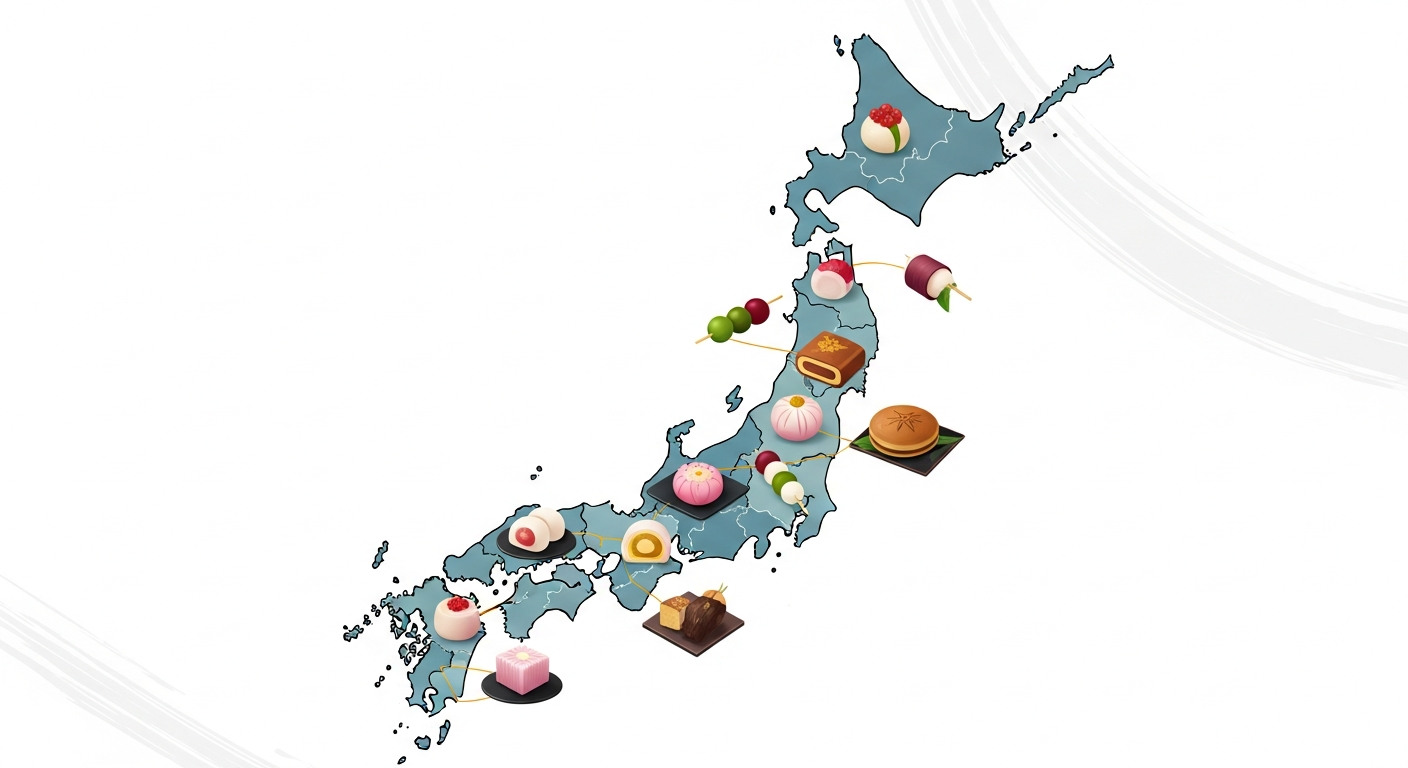
Various traditional Japanese sweets arranged by region on a map of Japan

The Benefits of Exploring Regional Sweets in Japan

Cultural Insight

Exploring regional sweets offers a window into Japan’s cultural and historical nuances. Each sweet tells a story, whether it’s the minimalist wagashi of Kyoto that reflect the Zen philosophy or the vibrant tropical flavors of Okinawa’s treats that echo its island culture.

Economic Support to Local Communities

Purchasing regional sweets directly supports local economies. Many of these sweets are handmade by skilled artisans who use traditional methods passed down through generations.

Enhanced Travel Experience

For travelers in Japan, seeking out regional sweets can add a delightful layer to their travel experiences. It’s a tasty way of marking where you have been and what you have discovered.

How to Use 都道府県別 日本のおすすめスイーツ in Your Travel Plan

Planning Your Sweet Route

When planning a trip to Japan, consider mapping out your travel itinerary based on the sweets you want to try. This could mean booking a stay in Kanazawa to taste their gold leaf-covered soft serve or in Nagasaki to savor Castella, a sponge cake brought by Portuguese merchants in the 16th century.

Seasonal and Limited Edition Sweets

Many Japanese prefectures offer seasonal or limited edition sweets that can offer unique tasting opportunities. For example, visiting Aomori during the apple harvest season ensures the freshest apple pies and ciders.

Workshops and Factory Tours

Engage more deeply by participating in workshops where you can make your own sweets. Many regions offer tours of factories where local specialties are made, providing insight into the craftsmanship behind the sweets.

Tourists participating in a Japanese sweet making workshop

Exploring Sweets from Hokkaido and Tohoku

Hokkaido’s Dairy Delicacies

Hokkaido is renowned for its high-quality dairy products. Sweets like the rich, creamy Shiroi Koibito cookies and the famous Hokkaido cheesecake are a must-try for anyone visiting the region.

Tohoku’s Fruitful Offerings

Tohoku, known for its lush fruit orchards, offers a variety of fruit-based sweets. The region’s famous apple pies and zunda (edamame paste) sweets are deeply ingrained with local flavors and are a testament to the region’s agricultural heritage.

Kanto and Chubu’s Sweet Innovations

Tokyo’s Trendsetting Sweets

Tokyo, a city that’s always on the cutting edge, offers some of the most innovative sweets. Whether it’s rainbow cotton candy in Harajuku or artisanal chocolates in Ginza, Tokyo’s sweet scene is as dynamic as the city itself.

Chubu’s Crafted Confections

The Chubu region, particularly Nagoya, is famous for its unique sweets such as the uiro, a steamed cake made from rice flour and sugar, offering a chewy texture similar to mochi but with a distinct flavor.

Kansai’s Cultural Sweets

Kyoto’s Matcha Delights

Kyoto is synonymous with matcha, and its influence permeates the local sweets. From matcha parfaits to the delicate wagashi served during tea ceremonies, Kyoto offers matcha lovers an unparalleled experience.

Osaka’s Playful Treats

Osaka, known for its vibrant food culture, also offers a variety of playful sweets. Takoyaki-flavored popcorn and okonomiyaki biscuits are just a few examples that mirror the city’s love for savory flavors in sweet form.

Chugoku, Shikoku, and Kyushu: Local Favorites

Chugoku’s Momiji Manju

Hiroshima’s momiji manju, a maple leaf-shaped cake filled with red bean paste, is a regional icon. These cakes are not only a treat to the taste buds but also a feast for the eyes.

Shikoku’s Citrus Surprises

Shikoku, being one of the leading producers of citrus in Japan, utilizes local citrus varieties like sudachi and yuzu in its sweets, offering a refreshing twist to traditional flavors.

Kyushu’s Sweet Potatoes and Beyond

Kyushu is famous for its sweet potatoes, and sweets made from this humble vegetable, like the sweet potato tarts and cakes, are a staple in the region.

FAQ

What are some must-try sweets when visiting Japan?

Do not miss out on Tokyo’s artisan chocolates, Kyoto’s matcha treats, and Hiroshima’s momiji manju.

Are there any vegan options available among Japanese regional sweets?

Yes, many traditional wagashi are made from plant-based ingredients like red bean paste and agar-agar, making them suitable for vegans.

How can I find out if a sweet is specific to a region?

Most regional sweets are well-marketed and often available in souvenir shops with descriptions and origins clearly labeled.

Can I participate in sweet-making workshops throughout Japan?

Yes, many regions offer workshops especially in cities like Kyoto and Tokyo where you can learn to make local confections like wagashi.

Is it possible to order Japanese regional sweets online?

Yes, platforms like Yodobashi.com offer a wide array of Japanese sweets that can be delivered right to your doorstep.

Conclusion

Exploring Japan through its regional sweets is not just about indulging in delicious treats; it’s an enriching journey through the country’s cultural landscapes, historical legacies, and local traditions. Each sweet not only pleases the palate but also tells the story of the land and people who created it. Whether you are planning a trip to Japan or just dreaming of Japanese confections, this guide serves as a starting point to discover and appreciate the diverse and rich flavors of Japan’s regional sweets.

スポンサーリンク(記事下)

designroom